Bringing indoor plants into your living space is more than just a trend—it’s a lifestyle choice that offers numerous benefits. From enhancing the beauty of your home to improving air quality, indoor plants provide both aesthetic and functional value. In this post, we’ll explore the advantages of incorporating greenery into your home decor and share practical tips to care for your plants effectively.
Why Add Indoor Plants to Your Home?
Indoor plants have been cherished for centuries as natural decor elements. Their appeal goes beyond looks, offering positive effects on your environment and well-being.
1. Improve Air Quality
Many indoor plants help filter out common indoor pollutants such as formaldehyde, benzene, and carbon monoxide. By absorbing carbon dioxide and releasing oxygen, they help freshen the air and promote a healthier indoor atmosphere.
2. Boost Your Mood and Productivity
Studies have shown that being around plants can reduce stress and enhance your mood. Additionally, plants can improve concentration and productivity, making them a great addition to workspaces and study areas.
3. Add Natural Beauty and Texture
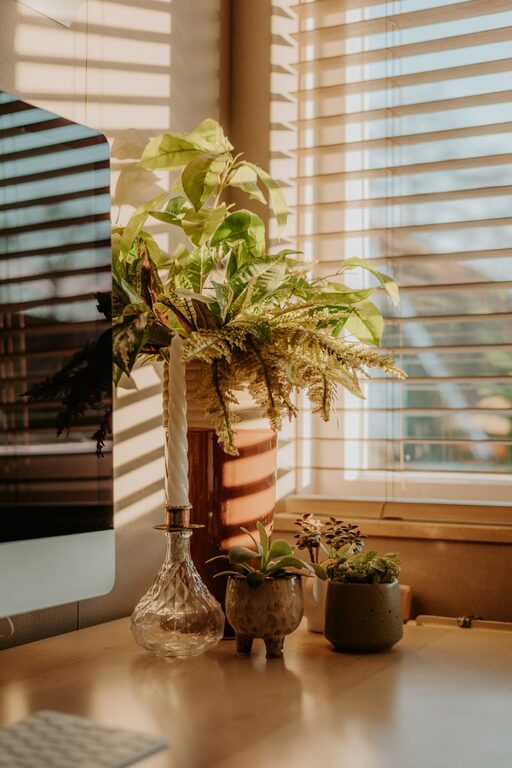
Plants introduce colors and textures that complement various home decor styles—from minimalist to boho chic. Leaves of different shapes and sizes create visual interest, making spaces feel lively and inviting.
4. Increase Humidity
Plants release moisture into the air through a process called transpiration. This is especially beneficial in dry climates or during winter when indoor heating can dry out the air, potentially helping reduce dry skin and respiratory discomfort.
5. Connect with Nature
Indoor gardening encourages mindfulness and provides a regular connection to nature, even if you live in an urban environment. Caring for plants nurtures a sense of accomplishment and relaxation.
Choosing the Right Indoor Plants
Selecting plants suited for your space and lifestyle is key to success. Not all plants thrive indoors, especially if light or humidity levels are limited.
Easy-to-Care Plants for Beginners
– Snake Plant (Sansevieria): Tolerates low light and irregular watering.
– Pothos: Adapts well to various light conditions and grows quickly.
– Spider Plant: Hard to kill, and it produces “baby” plants easily.
– ZZ Plant: Grows slowly but requires minimal care.
– Peace Lily: Adds elegant white blooms and helps purify the air.
Before buying, consider the available light in your room, your schedule for watering, and space constraints.
Tips for Effective Indoor Plant Care
Caring for indoor plants may seem daunting, but simple practices can keep them thriving.
1. Understand Light Requirements
Different plants need different amounts of light. Some thrive in bright, direct sunlight, while others prefer indirect or low light. Place your plants accordingly:
– South-facing windows provide the most sunlight.
– East or west-facing windows offer moderate light.
– North-facing windows are best for shade-loving plants.
2. Water Wisely
Overwatering is a common cause of plant stress. Check soil moisture before watering; the top inch of soil should feel dry for most plants. Use pots with drainage holes to prevent waterlogging and root rot.
3. Maintain Humidity and Temperature
Most indoor plants prefer humidity between 40% and 60%. Increase humidity by misting plants, using a humidity tray, or placing a humidifier nearby. Keep plants away from cold drafts and heating vents, which can dry them out.
4. Choose the Right Soil
Use potting soil designed for indoor plants, which is well-draining and rich in nutrients. Avoid using garden soil that can be too dense for pots.
5. Feed Your Plants
During the growing season (spring and summer), use a balanced, water-soluble fertilizer every 4–6 weeks. Reduce feeding in fall and winter when plants typically rest.
6. Prune and Clean
Regularly prune dead leaves and spent flowers to promote growth. Wipe broad leaves with a damp cloth to remove dust, allowing the plant to photosynthesize effectively.
7. Repot When Needed
Repot plants every 1–2 years or when they outgrow their containers. Choose pots slightly larger than the root ball, and refresh the soil to supply nutrients.
Creative Ways to Include Plants in Your Decor
Plants don’t have to sit on windowsills—they can be versatile decor elements.
– Hanging Planters: Create vertical green walls or hang plants at different heights.
– Terrariums: Small glass containers filled with succulents or air plants make charming table accents.
– Plant Stands: Mix various sizes and shapes of plants on stylish stands.
– Shelf Displays: Add greenery amid books and decorative items.
– Bathroom Oasis: Many plants thrive in humid bathrooms, adding luxury and freshness.
Final Thoughts
Incorporating indoor plants into your home decor enhances aesthetic appeal and promotes a healthier living environment. Whether you have a green thumb or are just starting, selecting the right plants and caring for them properly will allow you to enjoy their many benefits. With a little attention and love, your indoor garden can thrive and bring year-round joy to your home.
—
Feel free to share your favorite indoor plants and care tips in the comments!
About the Author