Creating an effective home workspace is essential for maintaining productivity and keeping a healthy work-life balance when working remotely. Whether you’re new to working from home or looking to improve your current setup, small changes can make a big difference in your focus and comfort. This guide offers practical tips to help you design a home workspace that supports your best work.
Choose the Right Location
Selecting the right spot for your workspace sets the foundation for productivity. Here are some considerations:
– Quiet and Low-Traffic Areas: Find a place where you can minimize noise and distractions. Avoid common areas like the kitchen or living room when possible.
– Natural Light: Pick a space with plenty of natural light to boost your mood and reduce eye strain.
– Separate from Relaxation Spaces: If possible, keep your workspace distinct from where you relax or sleep to maintain clear boundaries between work and personal time.
Invest in Ergonomic Furniture
Comfort is key when working for long hours. Ergonomic furniture helps reduce strain and fatigue.
– Chair: Choose one that supports your lower back and encourages good posture. Adjustable height and lumbar support are beneficial.
– Desk: Your desk should be at a height where your forearms are parallel to the floor when typing.
– Monitor Placement: Position your computer monitor at eye level to prevent neck strain.
Organize Your Workspace
A clutter-free environment helps you focus better and reduces stress.
– Declutter Regularly: Keep only essential items on your desk. Store other items in drawers or shelves.
– Use Storage Solutions: Baskets, trays, and filing systems help keep documents and supplies tidy.
– Cable Management: Use clips or ties to keep cords organized and prevent tangling.
Optimize Lighting
Proper lighting can improve alertness and reduce headaches.
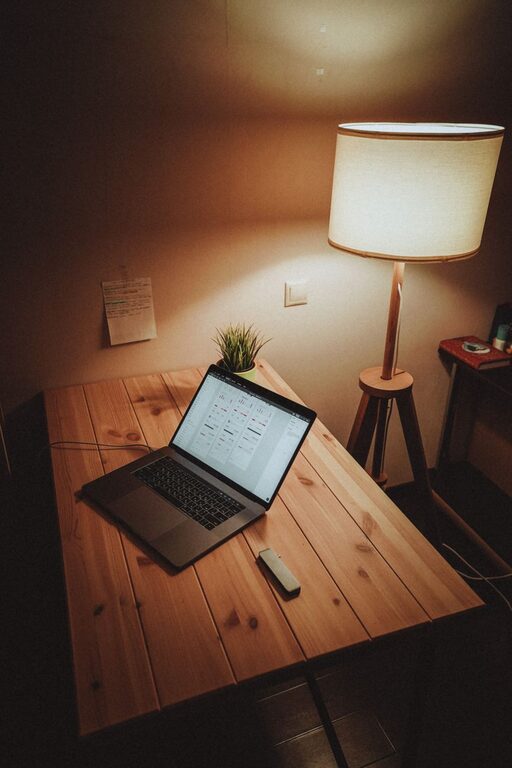
– Combine Natural and Artificial Light: Use natural light during the day and supplement with adjustable desk lamps in the evening.
– Avoid Screen Glare: Position your monitor perpendicular to windows or use blinds to reduce glare.
– Warm vs. Cool Light: Opt for neutral white lighting for a balance that is easy on the eyes and keeps you alert.
Minimize Distractions
Controlling distractions helps sustain your concentration throughout the workday.
– Use Noise-Canceling Headphones: These can block out background noise and create a more focused environment.
– Set Boundaries: Inform household members of your work hours and request quiet during key times.
– Limit Phone Notifications: Keep your phone on silent or use “Do Not Disturb” mode to avoid interruptions.
Personalize for Motivation
Adding a few personal touches can make your workspace inviting without cluttering.
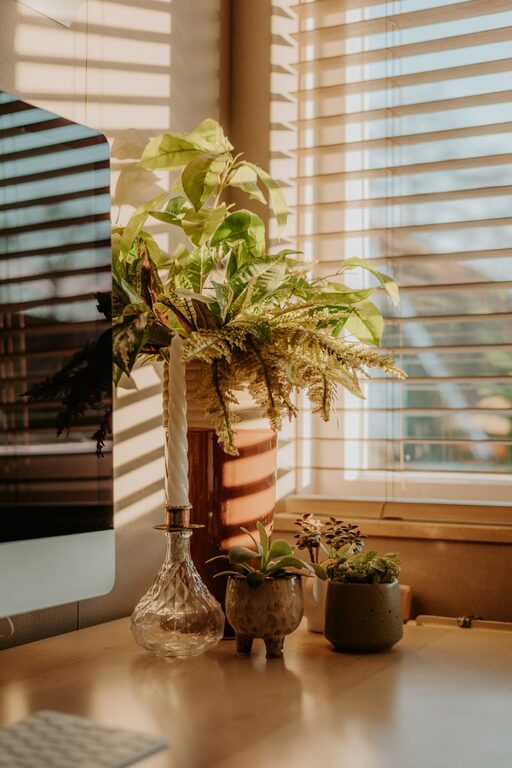
– Plants: Small indoor plants improve air quality and add a calming visual element.
– Inspiring Decor: Use art or quotes that motivate you.
– Comfort Items: Keep a cozy blanket or cushion nearby to stay comfortable.
Establish a Routine
Your environment supports productivity, but habits also play a big role.
– Consistent Work Hours: Try to start and end your workday at the same time.
– Designated Breaks: Step away from your desk regularly to stretch and refresh.
– Dress for Work: Wearing work-appropriate attire can psychologically prepare you for a productive day.
Incorporate Technology Wisely
Use technology to streamline tasks without creating distractions.
– Use Productivity Apps: Tools like task managers, calendars, and time trackers can keep you organized.
– Reliable Internet: Ensure your connection is strong to avoid interruptions.
– Backup Power: Having an uninterruptible power supply (UPS) or a backup battery pack can be helpful during outages.
Keep Health in Mind
Taking care of your physical and mental health supports long-term productivity.
– Stay Hydrated: Keep a water bottle at your desk and drink regularly.
– Exercise: Incorporate stretching or short workouts into your breaks.
– Maintain Good Posture: Use reminders or ergonomic accessories like footrests to promote healthy posture.
Final Thoughts
Creating an effective home workspace involves combining a thoughtful environment with good habits. By choosing the right location, staying organized, prioritizing comfort, and minimizing distractions, you can build a productive space that helps you focus and feel motivated. Remember that your workspace should evolve with your needs—regularly reassess and tweak it to stay comfortable and efficient.
Taking these steps not only boosts productivity but also supports your overall well-being when juggling work and home life. With a well-designed workspace, you’ll find it easier to stay on task and enjoy the benefits of working from home.
About the Author